
font-family: Arial, sans-serif;
line-height: 1.6;
margin: 20px;
}
h1, h2 {
color: #333;
}
img {
max-width: 100%;
height: auto;
margin: 20px 0;
}
As a newly hired operator in the oil industry, I knew I was stepping into a world that demanded precision, expertise, and above all, safety. The complexity of well operations, especially in critical tasks like well control, can be daunting for someone fresh out of training. The stakes are high, and the margin for error is slim. But thanks to advancements in simulation technology, my journey from novice to competent operator has been smoother and safer than I ever imagined.
When I first started, I was acutely aware of the gap between my theoretical knowledge and the practical skills needed to handle real-world scenarios. Traditional training methods, while valuable, couldn't fully prepare me for the unpredictable nature of well operations. This is where Well Intervention Simulators and Snubbing Simulators have made a world of difference.
A Virtual Gateway to Real-World Experience
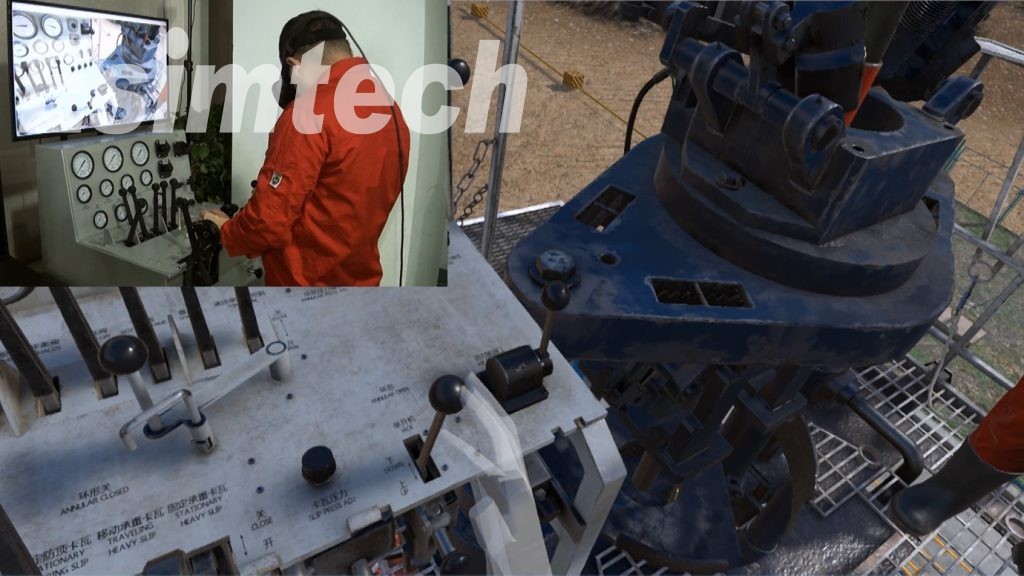
One of the most significant challenges for new operators is gaining hands-on experience without compromising safety. This is where Well Intervention Simulators come into play. These simulators, like the ones offered by Esimtech, provide a highly realistic virtual environment that mimics the complexities of actual well operations. From running and pulling tubing to handling stuck pipe situations, every aspect of the job can be practiced in a risk-free setting.
For me, the Snubbing Simulator was a game-changer. It allowed me to repeatedly practice critical tasks such as running and pulling tubing and tools, mastering the basic snubbing operations, and understanding common snubbing technology processes. The combination of virtual reality (VR) technology and a full-size drilling snubbing simulator made the training experience incredibly immersive and effective.
What truly sets these simulators apart is their ability to replicate a wide range of operational scenarios. Whether it's wireline, coiled tubing, hydraulic workover, snubbing, or fishing operations, the simulators can accurately model the behavior of the well and its surrounding formation under different conditions. This includes changes in well pressure, temperature, wellbore geometry, and reservoir properties. The simulators also allow operators to practice using various intervention tools and equipment, such as pumps, valves, and sensors, ensuring that we are well-prepared for any situation we might encounter in the field.
Enhancing Safety and Efficiency
One of the most significant benefits of using Well Intervention Simulators is the reduction in risk. By practicing in a simulated environment, operators can identify potential problems and optimize their strategies before deploying them in the field. This not only improves safety but also increases operational efficiency.
For new employees like myself, the simulators provide a safe space to make mistakes and learn from them. The ability to experiment with different scenarios and test our knowledge and skills without the risks and costs associated with real-world operations is invaluable. This hands-on experience helps us build confidence and competence, making us more effective and safer operators.
Another key advantage is the customization offered by these simulators. They can be tailored to match the specific needs of the trainees, the organization, or the project. The software and hardware components can be configured to simulate different well-intervention scenarios with varying levels of complexity and detail. This means that whether I am a new hire or a seasoned engineer, the simulator can provide a training experience that is relevant and personalized to my skill level and learning objectives.
Real-World Impact
The impact of simulator training on new employees is profound. Studies have shown that after undergoing simulator training, new operators' independent operation time is reduced by an average of 40%. This significant improvement in efficiency not only benefits the individual but also enhances the overall productivity of the company.
For me, the transition from training to actual field work was seamless. The skills and confidence I gained from the simulator training allowed me to step into my role with a solid foundation of practical knowledge. I was able to handle tasks that would have been daunting without the simulator training, and I was better equipped to respond to emergencies.
Moreover, the simulators provide a platform for continuous learning and improvement. Even after completing the initial training, operators can return to the simulators to refresh their skills, practice new techniques, or prepare for specific upcoming tasks. This ongoing training ensures that we remain proficient and up-to-date with the latest industry standards and best practices.
The Future of Training in the Oil Industry
As technology continues to advance, the role of Well Intervention Simulators and Snubbing Simulators in the oil industry is set to grow. These tools not only improve safety and efficiency but also provide valuable training opportunities for operators at all levels.
For new employees like myself, the simulators offer a bridge between theoretical knowledge and practical experience. They provide a safe and controlled environment to practice and perfect our skills, ensuring that we are well-prepared for the challenges of the job.
For more information on Esimtech's well intervention simulation solutions, visit their website at Well Intervention Simulator.