
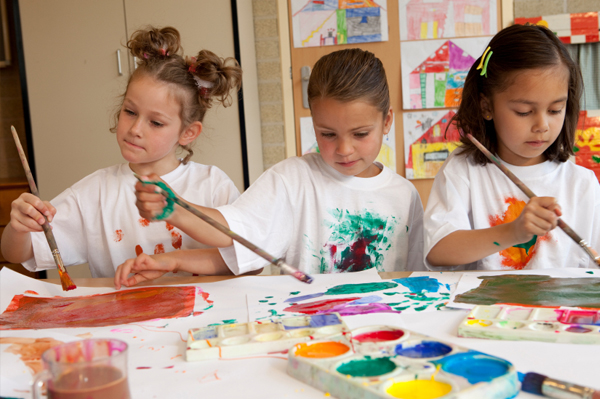
As children grow and develop, they experience numerous milestones that shape their understanding of the world and themselves. One often-overlooked avenue of growth is through artistic expression, particularly drawing. Children’s drawing classes offer more than just the chance to learn how to sketch or color within the lines. They provide a unique and powerful opportunity for children to build creativity, enhance cognitive abilities, express emotions, and develop social skills. This article explores the many benefits of drawing classes for children and why they are a vital component of early education. 創意學堂.
Drawing as a Tool for Self-Expression
For children, the world can sometimes feel overwhelming, especially as they navigate complex emotions and thoughts. Drawing offers them a means to express what might be difficult to articulate with words. In fact, art is often a natural and intuitive outlet for many children, allowing them to communicate their inner experiences, fears, joys, and dreams in a way that is personal and meaningful.
In drawing classes, children are encouraged to explore their emotions through their art. Whether they are drawing abstract shapes to represent feelings of chaos or illustrating a calm scene to express happiness, these creative activities help children process their emotions in a constructive manner. Drawing can also be used to reflect on experiences, helping children understand and make sense of their world. By expressing emotions through drawing, children are more likely to build emotional intelligence, which is crucial for developing healthy relationships and coping mechanisms later in life.
Building Cognitive and Problem-Solving Skills
Though it may seem like a purely creative endeavor, drawing involves critical thinking and cognitive processing. When children draw, they are constantly making decisions about structure, size, space, and relationships between objects. They learn to identify patterns, use spatial reasoning, and assess what works and what doesn’t within their composition.
For example, when drawing a tree, children must consider elements such as perspective, proportion, and color. This process requires them to think critically about the balance and layout of the image, making drawing an engaging way to develop cognitive skills. In fact, studies have shown that children who engage in visual arts activities, such as drawing, tend to perform better in areas like mathematics and reading due to the problem-solving skills developed through art.
Moreover, drawing encourages children to solve problems creatively. If their drawing doesn’t turn out as planned, they must find ways to make adjustments or try new techniques, fostering resilience and flexibility. These problem-solving experiences help children build the mental agility required to tackle challenges in all areas of life, whether it’s at school, home, or in social settings.
Enhancing Fine Motor Skills
Fine motor skills are critical for a variety of daily activities, including writing, dressing, and even feeding oneself. Drawing plays a significant role in developing these skills, as it requires children to control the movement of their hands and fingers with precision. When a child holds a crayon or pencil, they engage in hand-eye coordination, making sure that their hands move in the direction they intend.
As children advance in their drawing skills, they learn to manipulate different tools, such as colored pencils, markers, or even paintbrushes, all of which require varying degrees of fine motor control. For example, shading a picture or drawing intricate details like eyelashes or tree branches requires control over both the pressure and the direction of the drawing tool. These activities help strengthen the muscles in the hands and fingers, which are also necessary for writing, cutting with scissors, and other hand-based tasks.
Through drawing, children gradually improve their dexterity, which in turn helps them with other everyday tasks that require fine motor coordination. This fine motor development is one of the primary benefits of drawing classes, as it sets the foundation for many other skills and activities.
Boosting Self-Esteem and Confidence
One of the most rewarding aspects of drawing classes is the boost in confidence that children gain from their artwork. Completing a drawing and receiving positive feedback from teachers, parents, or peers provides a sense of accomplishment and pride. Children come to understand that their ideas are valid and worthy of being expressed. As they master new skills and techniques, they also gain confidence in their ability to take on new challenges.
The positive reinforcement in drawing classes builds a child’s self-esteem, particularly when they see that their work is appreciated by others. The process of creating something from scratch and observing their own improvement is empowering. It teaches children that effort and persistence lead to growth, which is a valuable life lesson that transcends art. Over time, children who participate in drawing classes develop a stronger sense of self-worth and a more positive self-image.
Promoting Social Interaction and Collaboration
In addition to individual development, children’s drawing classes provide opportunities for social interaction and teamwork. While many drawing activities are individual pursuits, there are often group projects and collaborative exercises where children can work together to create something larger. These activities encourage children to share materials, respect one another’s ideas, and collaborate toward a common goal.
Through group art projects, children also develop communication skills. They must articulate their ideas, listen to others, and negotiate different perspectives. This kind of collaboration helps children build empathy and learn the value of working as part of a team. These experiences are valuable in school settings and beyond, as the ability to work effectively with others is an essential life skill.
Additionally, drawing classes often offer opportunities for children to present their artwork to others. This can be a significant confidence-building experience, as children learn to talk about their work and express their ideas to others. Presenting art also helps children develop public speaking and presentation skills in a supportive environment.
Developing Patience and Focus
Drawing requires patience, as it’s a process that often takes time and attention. Children learn that they can’t rush through creating a detailed picture, and they must focus on the task at hand. This attention to detail encourages concentration and helps children practice patience as they refine their techniques and complete their artwork.
For example, if a child is working on a multi-step project, such as creating a landscape with several elements, they must be patient and work through each stage of the process. This helps build persistence and the ability to focus on long-term goals, which are important skills both in and out of the classroom.
Conclusion: A Lifelong Gift
Children’s drawing classes provide far more than just the opportunity to create beautiful pictures. They are a vital tool for fostering creativity, developing cognitive and motor skills, and enhancing emotional and social well-being. Through drawing, children learn to think critically, solve problems, express emotions, and build confidence in their abilities. These skills are invaluable and continue to benefit children as they grow, shaping their approach to challenges, relationships, and creative endeavors throughout their lives.
Ultimately, enrolling children in drawing classes is an investment in their personal growth and development. As children learn to express themselves through art, they gain the tools they need to succeed in all areas of life—becoming confident, resilient, and thoughtful individuals. Whether or not they pursue art professionally, the experiences they gain in drawing classes will stay with them for a lifetime, enriching their personal and academic journey.