
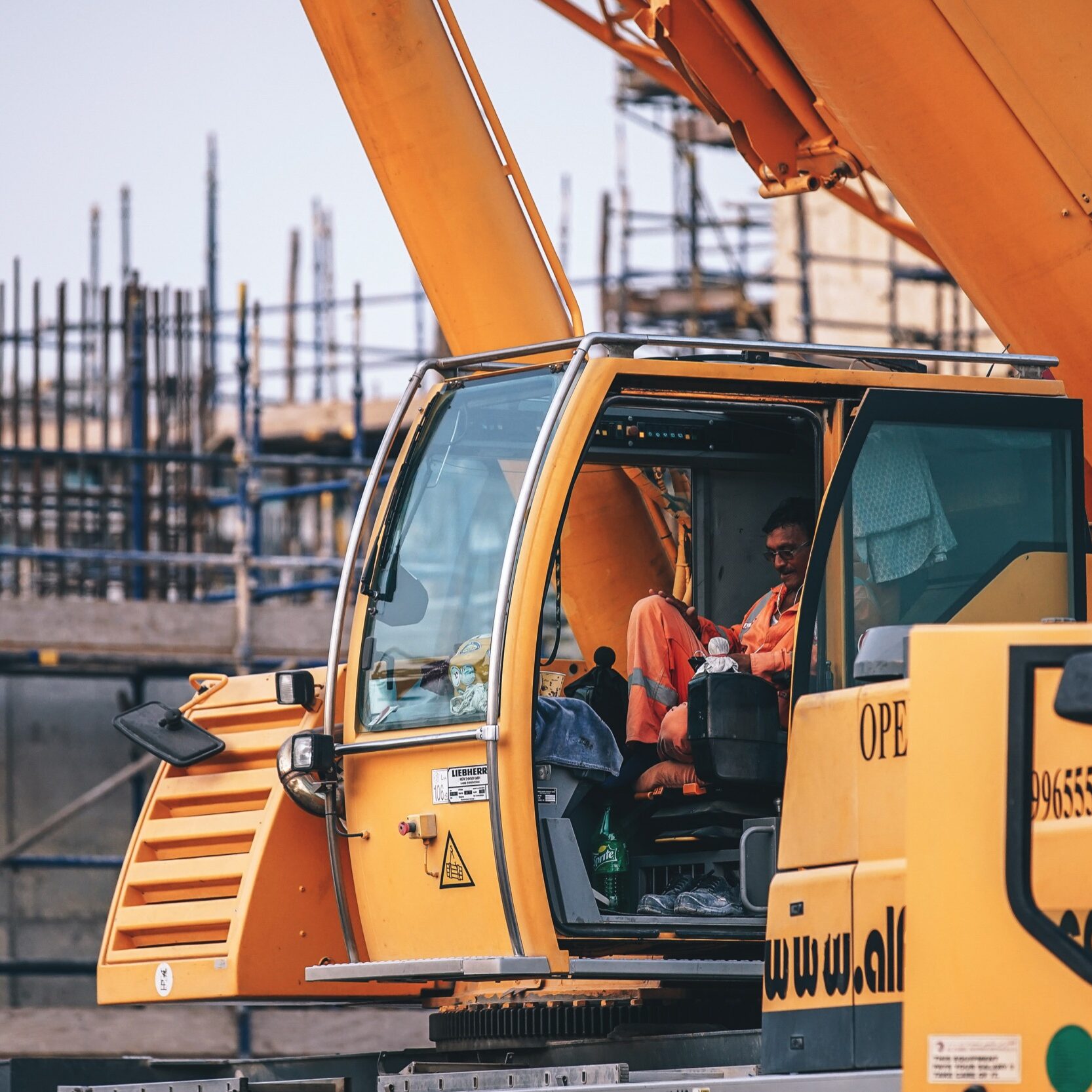
Equipment sale-leaseback financing is a financial strategy that allows businesses to free up capital by selling their owned equipment to a financial institution or investor, then leasing it back for continued use. This arrangement offers several advantages for companies in need of liquidity, but it also comes with certain drawbacks. To fully understand whether this strategy is suitable for your business, it’s important to weigh both the pros and cons.
Pros of Equipment Sale-Leaseback Financing
1. Immediate Cash Flow Boost The most obvious benefit of an equipment sale-leaseback is the immediate cash infusion it provides. When a business sells its equipment, it unlocks the capital tied up in those assets. This influx of cash can be used to fund growth opportunities, pay off debt, or cover operational expenses. For companies facing cash flow challenges, this strategy can offer a quick financial solution without the need to seek traditional loans or equity financing.
2. Retaining Equipment for Ongoing Use While a business sells its equipment, it doesn’t lose the ability to use it. Through the leaseback agreement, the company continues to operate its machinery, vehicles, or other assets without disruption. This is especially advantageous for industries that rely heavily on specialized equipment. The business maintains its operations while also benefiting from the immediate liquidity provided by the sale.
3. Flexible Lease Terms Leaseback arrangements can be tailored to meet the specific financial needs of the business. This flexibility can be in terms of lease duration, payment schedule, or buyback options. Companies can negotiate terms that align with their budget and cash flow projections, making this financing option adaptable to different business scenarios.
4. Off-Balance-Sheet Financing In some cases, equipment sale-leasebacks are considered off-balance-sheet financing, which means the lease obligations do not appear as liabilities on the company’s balance sheet. This can improve financial ratios, such as the debt-to-equity ratio, making the business appear more financially stable to lenders, investors, or potential partners.
5. Tax Deductions Lease payments under a sale-leaseback agreement are typically considered operational expenses, which can be tax-deductible. This can provide companies with significant tax savings, further improving their overall financial position and making the leaseback arrangement more attractive.
Cons of Equipment Sale- equipment sale leaseback financing Financing
1. Long-Term Cost While a sale-leaseback can provide immediate cash, it can be more expensive in the long run. Lease payments often include interest, which means the business will ultimately pay more for the equipment than if it had retained ownership. Over time, this can add up, especially for long-term leases, making the equipment more costly in the long run than initially anticipated.
2. Loss of Ownership Once the equipment is sold, the business no longer owns it. While leasing allows continued use, the company gives up any potential for asset appreciation or future resale value. In cases where the equipment's value increases or if it has a long lifespan, this could result in the company losing out on future financial gains.
3. Potential for Tight Lease Terms While leaseback agreements can be flexible, some businesses may find themselves locked into unfavorable terms. For instance, the lease rate could be higher than initially expected, or the terms may not be as favorable as hoped. In some cases, businesses may not have much leverage when negotiating terms, particularly if they are in urgent need of liquidity.
4. Impact on Creditworthiness Although the lease payments might not appear on the balance sheet, they still represent a financial obligation that must be paid regularly. For businesses with thin margins or uncertain cash flow, the commitment to ongoing lease payments can become a financial burden and potentially affect creditworthiness, especially if the business struggles to meet payment deadlines.
5. Limited Control Over Equipment When a business leases back its equipment, the leasing institution or investor may impose certain restrictions on its use, including maintenance schedules or modifications. This can limit the company’s flexibility in managing the equipment as it would like, which could be problematic for industries that rely on specific operating conditions or upgrades.
Conclusion
Equipment sale-leaseback financing is a powerful tool for businesses seeking immediate liquidity while retaining the use of critical assets. The immediate cash infusion, flexibility, and potential tax benefits make it an appealing option for many companies. However, the long-term costs, loss of ownership, and potential restrictions on equipment use are significant factors to consider. Before opting for a sale-leaseback arrangement, businesses should carefully evaluate their financial position, future cash flow projections, and the specific terms of the leaseback agreement to ensure it aligns with their long-term goals.