
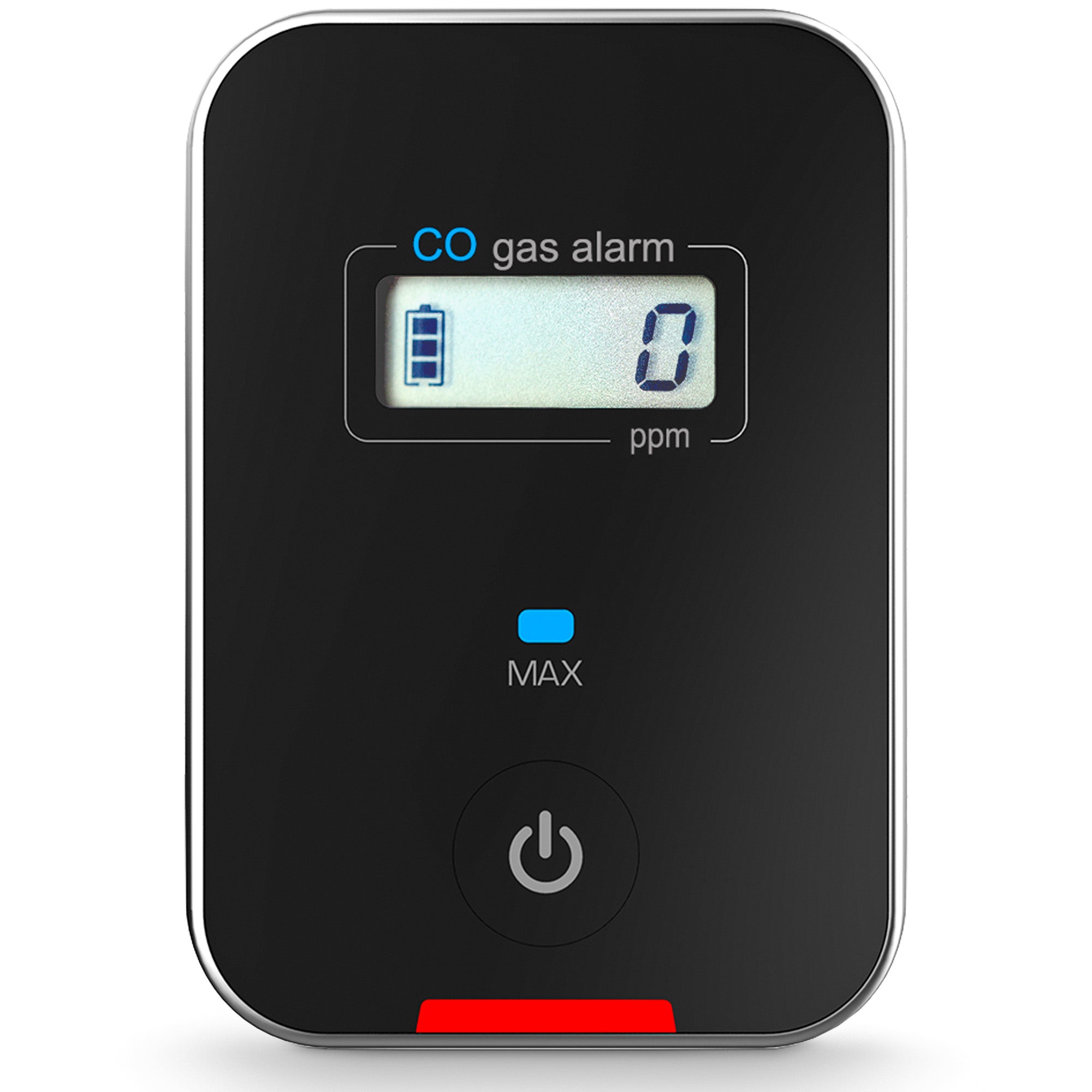
Gas detectors and gas analyzers are crucial tools in industries, laboratories, and human activity settings to check refuge and situation submission. They play a vital role in detection dangerous gases, preventing accidents, and protective homo health. Understanding the differences, applications, and technologies behind these is requisite for anyone workings in environments where gas is a risk.
Understanding Gas Detectors
Gas detectors are premeditated to feel the presence of specific gases in the air and alarm users to potency hazards. They are wide used in heavy-duty facilities, chemical substance plants, mining operations, and confined spaces. The primary quill resolve of a gas sensor is to prevent accidents such as explosions, poisoning, or long-term wellness caused by nephrotoxic or flammable gases.
Types of do vape detectors exist Detectors
Gas detectors come in various types depending on the applied science and the gas they are studied to observe:
Electrochemical detectors: Used primarily for detecting cyanogenic gases like carbon monoxide or atomic number 1 sulphide. These detectors give a stream when the place gas interacts with an chemical science detector.
Infrared detectors: These are commonly used for combustible gases like methane and propane. They quantify absorption of infrared light unhorse by gas molecules.
Catalytic bead detectors: Effective for combustible gases, these sensors notice gases by oxidizing them on a chemical action rise, producing heat that changes resistance in the sensor.
Photoionization detectors(PID): Used for volatile organic fertiliser compounds(VOCs), PIDs use UV light to ionise gases and quantify the resulting flow.
Gas detectors can be portable for subjective safety or fixed installations for unremitting monitoring in industrial sites.
Gas Analyzers: Precision Monitoring
Gas analyzers differ from detectors in that they are designed to measure the concentration of gases rather than simply alertness users to their presence. These instruments are often used in laboratories, environmental monitoring, and process control in heavy-duty facilities. Gas analyzers provide microscopic data, which is essential for regulatory submission, process optimisation, and search purposes.
Common Types of Gas Analyzers
Non-dispersive infrared(NDIR) analyzers: These measure gases like CO2 and CO by detective work absorption of infrared unhorse at specific wavelengths.
Electrochemical analyzers: Similar to electrochemical detectors but with more microscopic readings for lab and industrial applications.
Mass spectrometers: Highly precise analyzers capable of sleuthing triplex gases simultaneously with very low detection limits.
Gas chromatography systems: Used for elaborated analysis of complex gas mixtures, providing data for each part.
Applications and Benefits
Gas detectors and analyzers are vital in three-fold sectors:
Industrial refuge: Preventing explosions and to nephrotoxic gases.
Environmental monitoring: Tracking emissions of harmful gases to insure submission with environmental regulations.
Occupational wellness: Protecting workers in mines, chemical substance plants, and restrained spaces.
Research and : Analyzing gas compositions for technological studies and work optimisation.
Conclusion
Gas detectors and gas analyzers are obligatory tools for maintaining refuge, monitoring situation conditions, and ensuring regulative submission. By providing early on warnings and dead measurements, these protect lives, prop, and the . Whether for heavy-duty operations, laboratories, or human action refuge, understanding their functions and applications is crucial for anyone working in environments where gases are submit.