
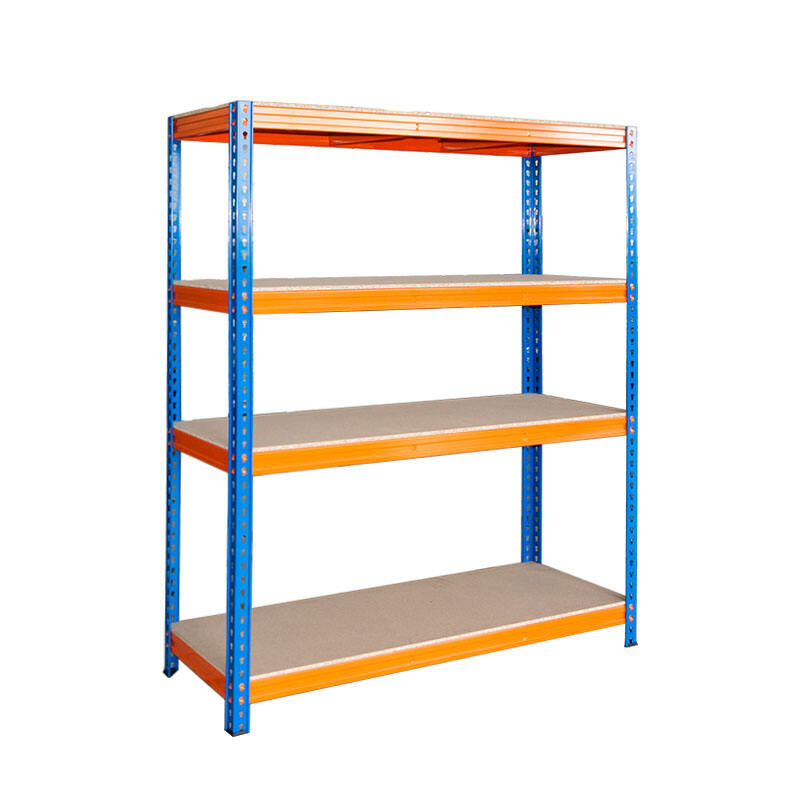
As sustainability becomes an increasingly important priority across industries, home décor and furniture design are stepping up to meet the demands for eco-friendly solutions. Among the most significant shifts is the rise of eco-friendly materials used in storage shelves. These functional pieces of furniture, essential in organizing spaces and keeping homes tidy, are now undergoing a transformation. Traditional materials like wood, plastic, and metal are being replaced with alternatives that have a smaller environmental footprint, promoting a greener, more sustainable lifestyle.
The Shift Towards Sustainability
For years, storage shelves have primarily been made from conventional materials such as particleboard, MDF (medium-density fiberboard), and plastic. While these materials serve their purpose, they come with significant environmental downsides. The production of particleboard and MDF involves harmful chemicals, including formaldehyde, and often requires trees that are not sourced sustainably. Plastics, which are non-biodegradable, contribute to pollution and take centuries to decompose.
The growing awareness of climate change and environmental degradation is pushing designers and manufacturers to rethink how furniture is made. Eco-friendly materials have become the cornerstone of this transformation, offering viable alternatives that are both functional and environmentally responsible.
Sustainable Materials Redefining Storage Shelves
-
Bamboo
Bamboo is one of the most popular eco-friendly materials for storage shelves. A highly renewable resource, bamboo grows quickly—reaching maturity in just 3-5 years compared to hardwoods that can take decades. Bamboo is incredibly strong, durable, and lightweight, making it an excellent material for shelves. It also has a lower carbon footprint than hardwood, as it requires minimal pesticides or fertilizers to grow. Bamboo’s versatility also allows it to be molded into various shapes and sizes, making it a great option for customizable shelving solutions.
-
Reclaimed Wood
Reclaimed wood, or salvaged wood, is another sustainable material making waves in the world of storage furniture. By using wood from old barns, warehouses, and other buildings, manufacturers help reduce deforestation and minimize waste. Reclaimed wood often has a unique, rustic aesthetic that adds character and charm to any home. Since the wood is repurposed, it avoids the need for new logging, and it typically requires less processing, which results in a smaller carbon footprint.
-
Recycled Metal
Recycled metal is a durable and eco-friendly option for creating storage shelves. Using scrap metal or old furniture that’s been melted down and reused reduces the need for mining and manufacturing new metal. The process of recycling metal consumes less energy and emits fewer pollutants compared to producing new metal. Recycled metal shelves are not only strong and long-lasting but also offer an industrial, sleek appearance that can complement modern interior designs.
-
Cork
Cork, derived from the bark of cork oak trees, is another material gaining popularity in furniture design. Unlike timber, cork trees don’t need to be cut down to harvest the bark, making it a renewable and sustainable resource. Cork is naturally lightweight, resistant to moisture, and durable. Its unique texture and natural appearance make it an appealing material for minimalist or contemporary storage solutions.
-
Hemp and Other Plant-Based Materials
Hemp, flax, and other plant-based fibers are gaining traction as sustainable alternatives for storage furniture. These materials can be used to create strong, biodegradable, and eco-friendly composite boards, which are then crafted into shelving units. Hemp, in particular, grows quickly, requires few pesticides, and absorbs a large amount of CO2 as it grows, making it an environmentally friendly option.
Why Eco-Friendly Shelves Matter
Choosing eco-friendly materials for storage shelves is more than just a design choice—it’s a conscious decision to reduce our environmental impact. By opting for materials that are renewable, recyclable, or reclaimed, consumers can help lower demand for harmful manufacturing practices and promote sustainability within the furniture industry.
As the world continues to face the challenges of climate change, small steps like adopting eco-friendly furniture can make a substantial difference. Storage shelves made from sustainable materials not only improve the aesthetic appeal of a space but also contribute to a larger movement towards a more sustainable future.
Conclusion
The shift to eco-friendly materials in storage shelves is part of a larger revolution in how we approach home design and construction. Whether through bamboo, reclaimed wood, recycled metal, cork, or plant-based fibers, these materials offer the potential to revolutionize the furniture industry and minimize its ecological footprint. With sustainable options becoming more accessible and diverse, it’s easier than ever to make eco-conscious decisions that benefit both your home and the planet.