
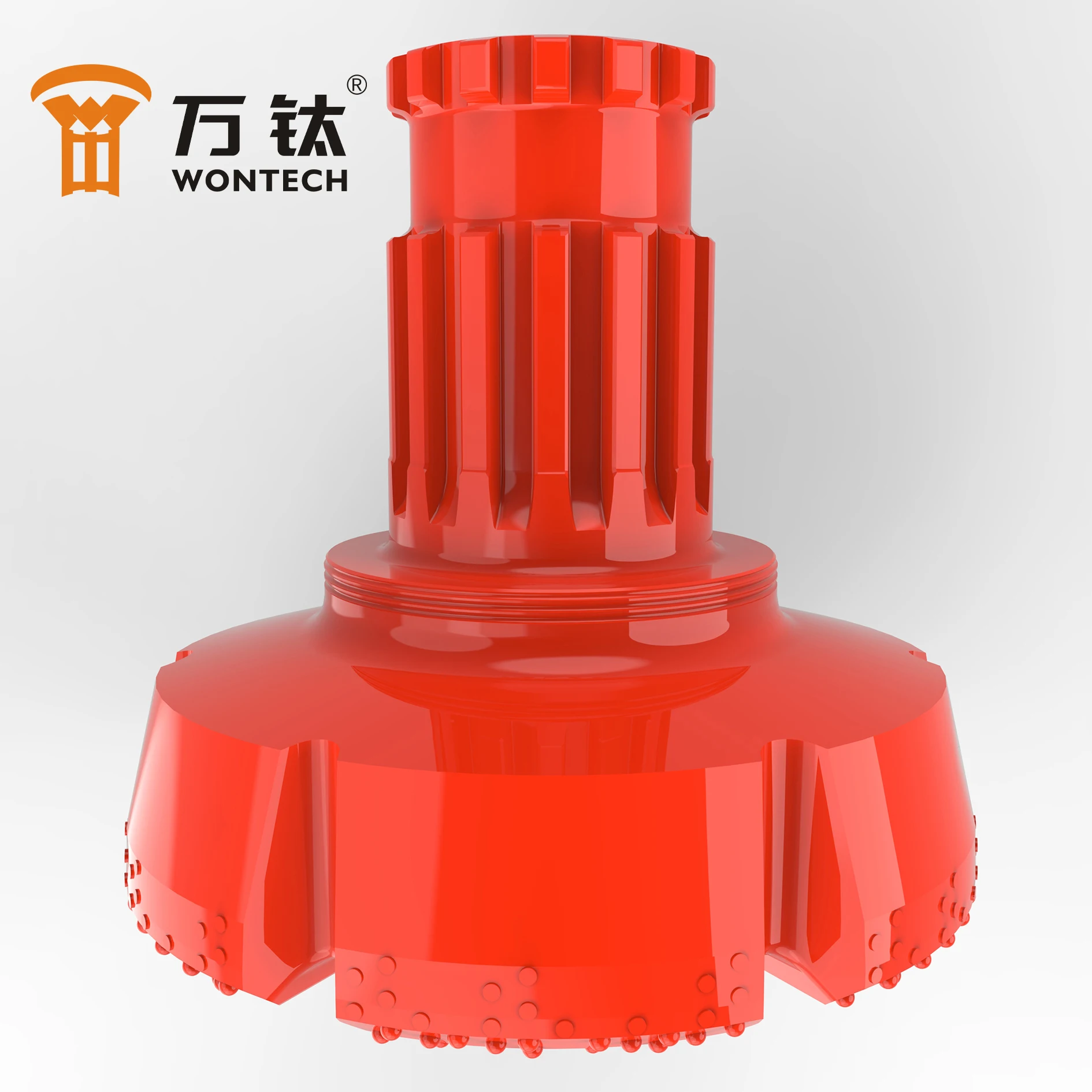
Rock drilling is a critical part of construction, mining, and exploration industries, demanding specialized tools to break through tough geological formations. The efficiency and success of any drilling project hinge on selecting the right tools and maintaining them properly. Here’s a comprehensive guide to rock drilling tools, exploring the main types, their applications, and essential maintenance tips.
Types of Rock Drilling Tools
There are various Cluster Drill tools tailored to different operations and rock conditions. The most common categories include:
-
Drill Bits
Drill bits are the cutting tools attached to the end of a drill string. They come in various types, such as:-
Tricone Bits: Ideal for soft to medium-hard formations. They use rolling cones with teeth to crush and grind rock.
-
PDC (Polycrystalline Diamond Compact) Bits: Extremely durable and used for hard, abrasive formations. They cut by shearing through the rock.
-
DTH (Down-The-Hole) Hammer Bits: These are used with pneumatic hammers and are suitable for deep hole drilling in hard rock.
-
-
Drill Rods and Pipes
These are long, cylindrical tubes that transmit the rotational force and drilling fluids from the rig to the bit. Made of high-strength steel, they must withstand high stress and torque. -
Hammers and Percussion Tools
-
Top Hammer Drills: These are used in surface drilling and transmit impact energy from above.
-
Down-the-Hole Hammers: Located directly behind the bit, these hammers deliver percussive force efficiently, reducing energy loss.
-
-
Casing Systems and Reamers
These tools help stabilize boreholes and enlarge holes during drilling. Casings prevent hole collapse, especially in loose ground conditions.
Common Uses of Rock Drilling Tools
Rock drilling tools are utilized in a range of industries:
-
Mining: For blasting holes, sampling, and excavation.
-
Construction: In foundation works, tunneling, and road construction.
-
Oil & Gas Exploration: Deep hole drilling to access underground reserves.
-
Geothermal and Water Well Drilling: To access water or thermal energy sources.
Different rock formations require different tools. For instance, softer sedimentary rocks might be drilled with tricone bits, while harder igneous rocks demand DTH or PDC tools.
Maintenance and Best Practices
Proper maintenance of rock drilling tools is crucial to extend their lifespan and ensure optimal performance:
-
Regular Inspection: Check for wear, cracks, and damage before and after drilling operations.
-
Lubrication: Ensure all moving parts are well-lubricated to reduce friction and heat.
-
Sharpening or Replacing Bits: Dull bits increase drilling time and equipment stress. Replace or sharpen them as needed.
-
Proper Storage: Store tools in dry, clean environments to prevent rust and corrosion.
-
Cleaning: After use, remove dirt and debris to prevent damage during storage or transport.
Conclusion
Rock drilling tools are vital components in various heavy industries, and understanding their types, uses, and maintenance can significantly impact productivity and project outcomes. By selecting the right tools for specific rock conditions and adhering to routine maintenance, operators can ensure safety, reduce downtime, and increase overall efficiency in their drilling operations.